Uncategorized

Innovation und Qualität: Der Wandel im österreichischen Online-Glücksspielmarkt

Der Markt für Online-Glücksspiele in Österreich befindet sich in einem dynamischen Wandel. Mit einem Wachstum von über 10% im Jahr 2022, basierend auf Zahlen der Österreichischen Lotterien GmbH, beobachten Experten eine stetige Steigerung der Nutzerzahlen sowie eine zunehmende Marktqualität. Dieser Fortschritt wird maßgeblich durch technologische Innovationen, regulatorische Modernisierungen und erhöhte Sicherheitsmaßnahmen vorangetrieben. Besonders im Bereich der Spielautomat online-Spiele, welche sowohl bei EinsteigerInnen als auch bei erfahrenen SpielerInnen äußerst beliebt sind, zeigt sich, wie Innovationen den Syntax- und Design-Standards immer wieder neue Impulse geben.

Technologische Trends: Die treibende Kraft hinter modernen Spielautomaten

Der technologische Fortschritt hat die Möglichkeiten und das Erlebnis von klassischen Spielautomaten deutlich revolutioniert. In Österreich, einem Land mit einer lange Tradition im Glücksspiel, zeichnen sich die neuesten Entwicklungen durch die Integration von hochauflösenden Grafiken, immersivem Sounddesign und interaktiven Features aus.

Spieleentwickler setzen zunehmend auf HTML5-Technologien, was ihnen ermöglicht, plattformübergreifende Spielautomat online Lösungen zu entwickeln, die auf Desktop-Computern, Tablets und Smartphones gleichermaßen überzeugen. Diese Innovationen verbessern die Zugänglichkeit entscheidend, was für die österreichische Regulierung und VerbraucherInnen gleichermaßen von Vorteil ist.

Regulatorische Rahmenbedingungen und Qualitätsstandards

Die österreichische Glücksspielgesetzgebung, insbesondere das Glücksspielgesetz 2021, setzt klare Rahmenbedingungen, um sowohl Spielersicherheit als auch Fairness zu gewährleisten. Die Lizenzierung der Anbieter unter strengen Auflagen fördert die Entwicklung innovativer Spiele und schützt zudem vor unreguliertem Angebot.

“Die Qualität der zugelassenen Anbieter spiegelt sich in der Transparenz, Sicherheit und im innovativen Angebot wider, das die Spielerinnen und Spieler profitieren können.”

In diesem Kontext dienen Angebote wie der Spielautomat online als Beispiel für die Kombination aus technischer Innovation und regulatorischer Einhaltung. Solche Spiele bieten nicht nur Unterhaltung, sondern auch eine sichere Umgebung – ein wichtiger Faktor für das Vertrauen in die Branche.

Was macht einen hochwertigen Online-Spielautomat aus?

Kriterium Beschreibung Beispiele
Grafik und Design Hochwertige, ansprechende visuelle Gestaltung, die das Thema widerspiegelt. Fortschrittliche Animationen bei “Book of Crazy Chicken”
Paytable & RTP Transparente Auszahlungstabellen und hoher Rückzahlungsprozentsatz (>96%). Varianten mit RTP von 96%+
Bonusfeatures Innovative Bonusspiele, Freispiele, Multiplikatoren etc. Spezielle Wild- und Scatter-Features bei Crazy Chicken
Sicherheit & Fairness Lizenzierte Anbieter mit zertifizierten RNG-Algorithmen. Engagement der Branche für zertifizierte, faires Spiel

Der Blick in die Zukunft: Innovationen, die die Branche prägen

Mit den Fortschritten in künstlicher Intelligenz und Virtueller Realität (VR) wird die Erfahrung im Online-Spielautomaten weiter personalisiert und immersiv gestaltet. Österreichische Entwickler und Plattformen investieren zunehmend in diese Technologien, um den Spielkomfort zu verbessern und eine verantwortungsvolle Nutzung zu fördern.

Vor allem der Einsatz von Gamification-Elementen sowie Adaptive Spielmechaniken tragen dazu bei, die Nutzerbindung zu erhöhen und gleichzeitig das Risiko des pathologischen Spielverhaltens zu minimieren.

Fazit: Qualität und Innovation als Grundlagen nachhaltigen Wachstums

Der österreichische Markt für Spielautomat online zeigt eindrucksvoll, wie technologische Innovationen, regulatorische Klarheit und qualitative Spielangebote Hand in Hand gehen, um ein sicheres und unterhaltsames Umfeld zu schaffen. Die bewusste Integration solcher Elemente ist essenziell, um das Vertrauen der NutzerInnen langfristig zu sichern und die Branche auf nachhaltigem Wachstumskurs zu halten.

Erfahren Sie mehr über innovative Spielautomat online Spiele und wie sie den österreichischen Glücksspielmarkt prägen.

Innovation und Qualität: Der Wandel im österreichischen Online-Glücksspielmarkt Read More »

Risiko und Chancen: Die Bedeutung der Volatilität bei modernen Spielautomaten

In der dynamischen Welt der Online-Casinos identifiziert man stereotypisch drei Kernkriterien, die die Attraktivität eines Spielautomaten bestimmen: die Auszahlungsrate (RTP), die Wahl der Symbole und die Volatilität. Besonders die Volatilität prägt maßgeblich, wie spannend, riskant und potenziell lukrativ ein Spiel erscheint. Für Spielenthusiasten, die ein intensives und herausforderndes Spielerlebnis suchen, sind hochvolatile Slots oft die erste Wahl.

Was versteht man unter Volatilität bei Spielautomaten?

Die Volatilität eines Spielautomaten beschreibt die Streuung der Auszahlungsergebnisse im Spielverlauf. Anders formuliert: Sie zeigt an, wie häufig und in welcher Höhe Gewinne zu erwarten sind. Es lassen sich grundsätzlich drei Kategorien unterscheiden:

  • Niedrige Volatilität: Häufige, aber kleinere Gewinne – ideal für längerfristiges Spielen mit moderatem Risiko.
  • Mittlere Volatilität: Ein ausgewogenes Verhältnis zwischen Gewinnhäufigkeit und -höhe.
  • Hohe Volatilität: Seltene, aber oftmals hohe Gewinne – geeignet für Spieler, die große Glücksmomente schätzen und bereit sind, hohe Risiken zu tragen.

“Spielautomaten mit hoher Volatilität bieten die Chance auf spektakuläre Gewinne, erfordern jedoch Geduld und Risikobereitschaft.” – Brancheninsider

Warum ist die Volatilität entscheidend für Spieler und Entwickler?

Die Wahl der Volatilität beeinflusst fundamental die Spielfreude und das Risikomanagement. Für erfahrene Nutzer, die strategisch ihre Bankroll verwalten, bieten hochvolatile Slots die Möglichkeit auf Mega-Jackpots und dramatische Gewinnmomente. Veteranen schätzen die Spannung, die mit dem Risiko einhergeht, während Einsteiger oft eher auf niedrig volatile Spiele setzen, um ihre Erfolgschancen zu maximieren.

Für Entwickler wiederum stellt die Volatilität eine wichtige Design-Entscheidung dar, um unterschiedliche Zielgruppen anzusprechen. Hochvolatile Spiele verlangen ein ausgeklügeltes Gameplay, das das Risiko ausbalanciert durch besondere Features wie Freispiele, Multiplikatoren oder progressive Jackpots.

Beispiele und Daten: Die Popularität der hochvolatilen Slots im Markt

Der Markt für Online-Slots ist äußerst vielfältig, wobei hochvolatile Spiele eine spezielle Nische bedienen. Laut Branchenanalysen von 2022 zeigen Spiele mit hoher Volatilität eine durchschnittliche payout-PerMinute, die über 45% beträgt, jedoch mit längeren Phasen ohne Gewinne kommen. Spieler schätzen diese Spiele für das Potenzial, bei Glück hohe Summen zu gewinnen, aber sie erfordern eine klare Verlustbegrenzung.

Vertiefung: Das Beispiel “Chicken Road 2”

Ein exemplarischer hochvolatiler Slot, der in Fachkreisen immer wieder erwähnt wird, ist Chicken Road 2. Dieses Spiel bietet eine aufregende Mischung aus risikoreichem Gameplay und potentiell hohen Auszahlungen, wie es typisch für einen hohe Volatilität Slot ist. Die besonderen Features, wie die Bonus-Levels und Multiplikatoren, verstärken die Chance auf außergewöhnliche Gewinne, machen aber gleichzeitig längere Phasen des Stillstands wahrscheinlicher.

“In Spielen wie Chicken Road 2 sind die Spielmechaniken so gestaltet, dass sie die Spannung auf hohem Niveau halten, insbesondere durch ihre hochvolatilen Strukturen.” – Branchenanalysten

Fazit: Die richtige Wahl der Volatilität für den individuellen Spielstil

Für Spieler, die das Nervenkitzel und die Aussicht auf große Gewinne schätzen, sind hochvolatil Slots eine attraktive Option. Sie repräsentieren das Risiko, das mit der Chance auf finanzielle Belohnung einhergeht. Wichtiger ist, stets verantwortungsvoll zu spielen und die eigenen Limits zu kennen.

Auch in der Entwicklung und Bewertung von Spielen spielt die Volatilität eine zentralen Rolle. Sie bestimmt wesentlich, wie spannend und befriedigend ein Slot wahrgenommen wird. Wenn Sie also auf der Suche nach einem hohe Volatilität Slot sind, lohnt es sich, Spiele wie Chicken Road 2 näher zu betrachten, um die eigenen Erwartungen optimal zu steuern.

Zusammenfassung: Kernpunkte im Überblick

Kategorie Charakteristika Vorteile Nachteile
Niedrige Volatilität Häufige kleine Gewinne, geringes Risiko Längerer Spielspaß, Stabilität Weniger große Auszahlungen
Hohe Volatilität Seltener Gewinne, potenziell hohe Auszahlungen Spannung, große Gewinnchancen Höheres Risiko, Verluste sind wahrscheinlicher

In der Welt der digitalen Glücksspiele ist das Verständnis der Volatilität essenziell, um das passende Spielprofil zu wählen – sei es für den kurzfristigen Nervenkitzel oder für strategisch geplante Gewinnszenarien. Hochvolatile Slots wie Chicken Road 2 bieten eine faszinierende Plattform für risikobereite Spieler, die das Besondere suchen.

Risiko und Chancen: Die Bedeutung der Volatilität bei modernen Spielautomaten Read More »

The Evolution of Online Slot Gaming: Choosing the Best Platforms for a Secure and Exciting Experience

Over the past decade, the online gambling industry has undergone a remarkable transformation, driven by rapid technological advancements, stringent regulatory standards, and rising consumer expectations. In this dynamic landscape, online slots have cemented their place as a cornerstone of digital casinos, offering both players entertainment and the allure of substantial payouts. But as the industry matures, discerning players and industry experts alike face a critical question: How can one identify a truly top-tier platform that combines innovation, reliability, and fair play?

Technological Innovations Shaping Online Slots

The last five years have witnessed groundbreaking innovations in online slot technology, including:

  • Graphics and Immersive Experiences: Modern slots now feature high-definition visuals, themed storylines, and interactive bonus rounds that rival console games.
  • Progressive Jackpots and Megaways: These features continuously increase potential wins, creating thrill and anticipation among players.
  • Mobile Optimization: With over 70% of players accessing online gambling sites via smartphones or tablets, mobile responsiveness and app integrations have become vital.
  • Random Number Generators (RNGs) and Fairness: Advanced RNG technologies ensure each spin’s fairness, an essential factor for maintaining trust.

The Critical Need for Trustworthy Platforms

For players navigating this vast ecosystem, selecting a platform that guarantees security and fairness is paramount. The European Union’s regulatory environment, with licenses from jurisdictions like the UK Gambling Commission and Malta Gaming Authority, sets high standards for operator credibility. Yet, apart from licensing, players now scrutinize things like:

  • Player Security: Encryption protocols and VPN support safeguard personal and financial data.
  • Game Fairness: Regular third-party audits, such as those from eCOGRA, provide assurance that payout percentages are transparent and RNGs are unbiased.
  • Customer Support & Responsible Gaming: Platforms committed to player well-being often embed robust support systems and self-exclusion tools.

Spotlight on Leading Online Slots Platforms

Within this framework, evaluating specific platforms that excel on multiple fronts is invaluable. For example, Sweet Fiesta exemplifies a modern online casino that has prioritized innovation, safety, and entertainment quality. The site offers a curated selection of slots powered by reputable software providers, alongside comprehensive security measures and responsible gaming tools.

In fact, selecting a platform like the best online casino should be a curated decision—focused on trustworthiness, user experience, and ongoing innovation, rather than just welcome bonuses. Player reviews, licensing credentials, and proactive customer service form the triad of quality assurance.

Assessing the Criteria for a Top-Tier Online Casino

Criterion Details Industry Insight
Licensing & Regulation Operators licensed by reputable jurisdictions (UKGC, Malta) adhere to strict regulatory standards. Mandatory for ensuring fairness and safe betting environments, as validated through periodic audits.
Game Selection & Software Providers Partnerships with industry leaders like NetEnt, Microgaming, and Play’n GO are common among top platforms. Ensures high-quality, innovative titles that appeal to diverse player preferences.
Security & Transparency SSL encryption, transparent payout percentages, and third-party audits. Builds long-term trust, especially crucial for high-stakes players or those new to online gambling.
Customer Support & Responsible Gaming Multilingual support, 24/7 availability, and responsible gambling tools. Enhances user loyalty and aligns with industry responsibility standards.
Payment Options & Payout Speed Banking variety and prompt payouts improve user experience. Reflects operational efficiency and respect for players’ time and trust.

The Future of Online Slots and the Role of Credible Platforms

As technology continues to evolve—with developments like virtual reality (VR), augmented reality (AR), and blockchain integration—the online slot experience will become increasingly immersive and transparent. However, these innovations also demand that operators maintain a rigorous commitment to trust and security. Platforms like Sweet Fiesta and others that prioritize licensing, fairness, and technological robustness are poised to lead this next chapter.

Conclusion: Navigating the Digital Casino Landscape with Confidence

In the rapidly expanding universe of online slots, brand reputation, regulatory compliance, and technological innovation define the best platforms for discerning players. While the thrill of spinning reels and chasing jackpots remains timeless, the foundation of a credible, safe, and enjoyable gaming experience hinges on choosing a platform that upholds integrity and quality. For those seeking a trustworthy environment, exploring reputable options like the best online casino becomes not just a practical step, but an essential one.

The Evolution of Online Slot Gaming: Choosing the Best Platforms for a Secure and Exciting Experience Read More »

The Evolution of Casino Gaming: Innovation, Engagement, and Industry Horizons

Over the past decade, the gambling industry has undergone a profound transformation driven by technological advancements, evolving consumer preferences, and innovative game design. As digital platforms continue to dominate, understanding the trajectory of this evolution is key for industry insiders, investors, and enthusiasts alike. Recent trends suggest that the landscape of casino gaming is shifting toward more immersive, diversified, and legally regulated experiences—elements that are fostered by the continuous development of new casino games.

Historical Context: From Mechanical to Digital

The journey from traditional mechanical slot machines to today’s sophisticated online platforms exemplifies the industry’s rapid digitalisation. In the 1970s and 80s, land-based casinos embraced electronic gaming, laying the foundation for the digital revolution. The advent of the internet in the late 20th century opened doors to online casinos, which quickly gained popularity for their convenience and diverse offerings.

According to data from the European Gaming & Betting Association, online gambling revenue in Europe alone surpassed €22 billion in 2022, with a compound annual growth rate (CAGR) of approximately 11% over the past five years. Much of this growth is attributable to a constant pipeline of innovative offerings—namely, new and exciting casino games that appeal to a broad demographic.

The Role of Innovation in Shaping Player Experience

Innovation has become the heartbeat of modern casino entertainment. Developers leverage mechanisms such as cutting-edge graphics, augmented reality (AR), and gamification to heighten engagement. For example, the incorporation of narrative-driven themes and cinematic visuals mimics the storytelling intensity found in AAA video games, elevating immersive quality.

“Creating games that resonate emotionally with players leads to longer engagement times and increased loyalty,” says industry analyst Laura Simmons. “This is where truly innovative game design makes the difference.”

The Significance of Regulatory Frameworks

As the industry evolves, regulatory oversight plays an essential role in sustaining trust and integrity. Jurisdictions like the UK Gambling Commission exemplify this by enforcing strict standards on licensing, player protection, and game fairness. This regulatory environment has spurred innovation, encouraging operators to develop unique offerings like branded slots and skill-based games—categories that appeal to modern, experience-seeking audiences.

Emerging Trends: Diversification of Game Types and Technologies

Trend Description Industry Impact
Live Dealer Games With real-time interactions, these games bridge the gap between physical and digital gambling, increasing realism. Increased engagement and retention rates.
Blockchain and Cryptocurrency Integration Enhancing transparency, security, and enabling faster transactions. Opening new markets and appealing to tech-savvy players.
Mobile-First Gaming Designed for seamless play on smartphones and tablets, fostering accessibility. Driving participation among younger demographics.
Innovative Game Mechanics Features like Megaways, cascading reels, and multipliers introduce fresh dynamics. Boosting game longevity and player engagement.

The Future: Augmented Reality and Gamification

Looking ahead, augmented reality (AR) and virtual reality (VR) promise to create truly immersive casino environments. Imagine wandering through a virtual casino floor, selecting from a portfolio of games that blend physical realism with digital innovation. As these technologies mature, they are poised to redefine player expectations and industry standards.

Additionally, gamification elements—progression systems, achievements, and social sharing—are increasingly integral to game design, making the experience more personalized and community-driven.

Conclusion: Strategic Development and Industry Leadership

As innovative new casino games continue to emerge, they exemplify the industry’s commitment to dynamic growth and consumer satisfaction. The key to thriving in this competitive environment lies in balancing technological advancement with responsible gaming practices and robust regulatory compliance.

For players and stakeholders, understanding the drivers behind these developments offers valuable insight into where the industry is headed—toward a future where immersive, fair, and entertaining digital experiences remain central to the allure of casino gambling.

The Evolution of Casino Gaming: Innovation, Engagement, and Industry Horizons Read More »

Mastering the Art of Modern Slot Gaming: An Industry Insight

As the online gambling landscape continues to evolve, the integration of innovative game designs and technological advancements has transformed slots from simple chance-based games into complex, strategic entertainment platforms. For enthusiasts and industry professionals alike, understanding the nuances of specific slot titles and their gameplay mechanics is crucial. In this context, detailed evaluations and credible analyses serve as essential tools in choosing optimal games that align with player preferences and market trends.

The Significance of Authentic Slot Evaluations

In recent years, the proliferation of online slot providers has created a competitive environment where quality and authenticity distinguish top-tier games. Professional reviews, backed by data and meticulous gameplay analysis, offer invaluable insights into factors such as volatility, Return to Player (RTP), bonus features, and thematic engagement.

For instance, consider the case of specific slot titles inspired by regional or niche themes. Exploring these slots helps reveal how developers tailor game mechanics to specific audiences, influencing player satisfaction and retention. Such insights are especially pertinent when evaluating emerging titles or niche variants, which often integrate unique mechanics or thematic elements.

The Role of Thematic Innovation in Slot Development

With the increasing demand for immersive experiences, theme innovation has become pivotal. Titles like those inspired by regional folklore, aquatic adventures, or exotic locales leverage rich graphics and layered narratives. These elements, combined with advanced game mechanics, serve to heighten engagement and increase player investment.

From a developer’s standpoint, integrating these themes necessitates a strategic balance between visual storytelling and gameplay flow. As industry analysts note, slots that successfully marry thematic depth with strategic mechanics tend to outperform their less engaging counterparts in terms of player retention and RTP consistency.

Evaluating Slot Mechanics: Volatility, RTP, and Bonus Structures

To truly grasp a slot’s potential, players and analysts examine its core mechanics. Let’s delineate some vital parameters:

Parameter Insight
Volatility Indicates the risk level; high volatility offers less frequent wins but larger payouts, while low volatility provides frequent smaller wins.
Return to Player (RTP) Represents the percentage of wagered money a slot returns to players over time; typically ranges from 90% to 98%.
Bonus Features Special mechanics such as free spins, wild multipliers, and bonus rounds that enhance potential winnings and gameplay excitement.

Through rigorous analysis, industry experts can determine the strategic attractiveness of a slot, guiding players to the most rewarding options. For a comprehensive exploration of a particularly compelling slot, including its mechanics and thematic appeal, see this detailed slot review.

The Evolution of Slot Technologies and Player Preferences

Technological innovation has driven the transition from classic mechanical machines to today’s sophisticated digital models utilizing HTML5, random number generators (RNG), and biometric security. These advancements facilitate features like immersive 3D graphics, multi-level bonus games, and real-time leaderboard competitions, all designed to enhance user experience.

Moreover, data analytics have enabled operators to understand player behaviour — what themes resonate, optimal payout structures, and preferred bet sizes. As a result, game developers now focus on bespoke content tailored to specific demographics, ensuring higher engagement rates.

Conclusion: Navigating the Modern Slot Universe

For industry insiders and players aiming to make informed decisions, thorough evaluations and reputable slot reviews are indispensable. They not only illuminate the mechanics behind popular titles but also highlight emerging trends and strategic opportunities. As the industry advances, maintaining a critical eye and leveraging expert analyses will continue to be essential in navigating this dynamic space.

For a detailed example of such evaluation, researchers and enthusiasts often consult dedicated reviews like this one: slot review. Such resources embody the depth and credibility that mark the highest standards of industry reporting.

Mastering the Art of Modern Slot Gaming: An Industry Insight Read More »

Why I Put My Ethereum and Other Chains in a Browser Extension Wallet — and Why You Might Too

Okay, so check this out—browser-extension wallets used to feel a bit sketchy to me. Whoa! I mean, the first time I clicked “connect” and signed a transaction with a hot wallet I got that same pit-in-my-stomach feeling you get before a steep roller coaster. Really? Yes. At the same time, my workflow changed: I was building, testing, swapping, bridging — all in quick bursts — and a mobile wallet just slowed me down. My instinct said: there has to be a middle ground. Initially I thought desktop wallets were inherently riskier, but then I realized that good design and strict compartmentalization can make extensions both powerful and practical.

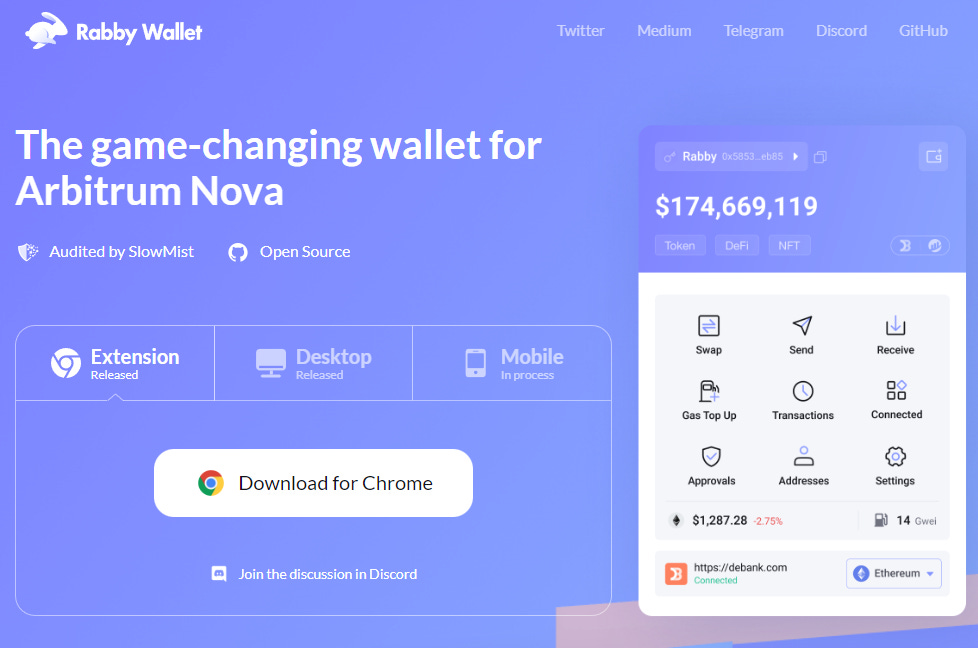
Here’s the thing. Browser-extension wallets like rabby are built for that middle ground — fast interactions, multi-chain convenience, and UX tuned for DeFi. Hmm… I know that sounds like marketing-speak, but hang on. I’ve used extensions to manage assets across Ethereum, Polygon, BSC, and a few EVM chains, and the difference in day-to-day friction is real. Small trades, batch ops, approvals — these are all smoother in a well-made extension. And yes, some parts still bug me.
A user interacting with a browser extension wallet, approving a transaction

Why people pick extension wallets (and why it makes sense)

Quick answer: speed and context. Short. When you are trading on a DEX, filling a form on a DeFi site, or using an NFT marketplace, the browser context matters. You want your wallet right there. No app switching. No QR hassles. Seriously? Absolutely. On the other hand, that convenience raises obvious security questions, so you should care about the trade-offs.

My gut reaction was always skeptical. Hmm… browser code is complex, and extensions add attack surface. But, actually, wait—let me rephrase that: threat surface grows only if the extension or the browser permissions are misused. A carefully engineered wallet isolates private keys, limits RPC exposure, and prompts for explicit approvals. On one hand people say desktop wallets are safer; on the other hand, a good extension with hardware wallet integration can be both safe and faster. There’s nuance here.

Here’s a practical lens: I run multiple accounts — some for experimentation, some for long-term holdings. I want my day-to-day funds accessible for swaps or liquidity provisioning without exposing my entire stash. Extensions make this easy via multiple account management and account-level compartmentalization. I like that. I’m biased, but convenience that doesn’t trade away control is a big win.

Core features I now look for in an Ethereum/multi-chain extension wallet

Short list first: seed security, transaction clarity, chain management, approval controls, and hardware support. Short. Medium: seed security means deterministic keys stored encrypted locally with a strong passphrase and optional OS-level protections. Long: transaction clarity isn’t just showing “Approve 0.5 ETH”; it’s showing token details, contract addresses, exact spender addresses, estimated gas in fiat, path analysis for swaps, and a clear expiration or nonce explanation so you don’t accidentally sign a replayable or open-ended approval that could drain funds days later.

Multi-chain is not just “I can switch networks.” It’s about sane defaults for RPC endpoints (not some random public node you shouldn’t trust), auto-detection of chain IDs, and preventing accidental sends to incompatible addresses. For example, sending ERC-20 tokens to a Solana address is bonkers but people do wild stuff. (oh, and by the way…) Approval controls are huge. Give me per-contract allowances and a clear revoke flow. And show me historical approvals with the ability to batch revoke. Very very important.

Hardware wallet support is a must for me. Short. If your extension can’t use a Ledger or similar, it’s a non-starter for holding any meaningful value. Integrations these days are smoother — WebHID, Bluetooth, or WebUSB — but the UX still sometimes feels like duct tape. My expectation: seamless signing through the extension UI with zero private key leakage. If that happens, I’ll sleep easier.

Where extensions go wrong — and some red flags

One major red flag is overly permissive permissions at install. A wallet asking broad access to all browser tabs or to read system clipboard by default? Yikes. Another is opaque transaction descriptions. Short. I’ve seen pop-ups reading “Confirm transaction” with no details, and that scares me more than any cold wallet misconfiguration. Something felt off about those trust-everything prompts.

Also watch for bundled “features” that phone home or collect telemetry without clear opt-in. On one hand telemetry helps improve UX, though actually user privacy should be opt-in, not a default. On the other hand, some services justify it as product improvement. I’m not 100% sure about intentionally collecting metadata in a DeFi context — it smells like future liability.

Finally, sloppy multi-chain handling. If the extension automatically switches RPCs without asking, or if it lets you add RPCs from unverified sources, that’s risky. Bad RPCs can inject malicious data, show deceptive balances, or downgrade security. Always check what endpoints are configured, and prefer known providers or self-hosted nodes when possible.

Practical tips I actually use — real workflow stuff

Keep three buckets: small hot wallet for daily DeFi interactions; medium wallet for active trading and bridging; cold storage for long-term holdings. Short. Use the extension for the hot and medium buckets. Use hardware signing for the medium. Use cold storage or multisig for the long-term stash. This approach reduces risk while keeping your workflow nimble.

When connecting to a DApp, I open the extension UI and confirm exactly what it’s asking. Medium. I read contract addresses, and when in doubt I cross-check on a block explorer or the project’s docs. Long: sometimes projects spin up test or scam contracts that look identical to real ones; verify the contract on Etherscan, look for community signals, or check trusted aggregators before approving any large allowances.

Revoke allowances monthly. Seriously. Use the built-in allowance manager or third-party revocation tools via the extension. If you don’t revoke, a single compromised DApp can siphon tokens via unlimited approvals. It’s an avoidable failure mode — and it’s very common.

A quick note on bridging and gas — where UX and security collide

Bridges are the worst part of this ecosystem. Wow! They add complexity: bonded assets, wrapped tokens, and sometimes opaque custody. Short. If you bridge, prefer well-known bridges, and keep an extra small buffer for on-chain gas to recover funds if something goes sideways. Long: bridging often involves interacting with contracts across chains; ensure your extension shows each transaction clearly and never automates cross-chain approvals without user consent. My instinct says keep bridged amounts modest until the bridge has proven stability for months, not days.

Gas UI: show me fiat estimates and priority levels. Medium. Don’t hide “max fee” behind a settings submenu. Also don’t allow unlimited slippage by default; prompt users when slippage is more than a few percent. These small UX choices prevent dumb mistakes.

Why I sometimes recommend using an extension and when I don’t

I recommend an extension when you need speed for recurring interactions, when you manage multiple short-to-mid-term accounts, or when you want smoother DeFi composability. Short. I don’t recommend an extension if you store life-changing amounts without hardware protection, or if you’re unfamiliar with reading transaction data. If someone says “trust me, it’s fine,” that’s not a reason. Be skeptical. Be methodical.

On a personal note: I’m biased toward software that respects user control. I prefer predictable behaviour over flashy gimmicks. That preference colors a lot of my recommendations. I’m not perfect. Sometimes I overvalue UX. Sometimes I underplay edge-case attacks. But thinking through these trade-offs out loud helped me build a setup that balances convenience with security.

FAQ

Is a browser-extension wallet safe for Ethereum?

Short answer: it can be. Safety depends on the wallet’s architecture, permissions, and your personal practices. Use hardware integration for significant funds, review transaction details before signing, and restrict allowances. Also update your browser and extension regularly to reduce exploit risk.

How do I manage multiple chains without confusion?

Keep naming conventions and notes. Use separate accounts for distinct purposes. Verify RPC endpoints and prefer known providers. Some extensions allow network tagging and custom chain icons — use them. And always double-check recipient addresses when switching networks; that’s where mistakes happen.

Should I trust new browser-wallet projects?

Trust but verify. Look for third-party audits, open-source code, and transparent teams. Community reviews and adoption matter. If you can’t verify a claim, assume risk. And remember: no tool is a silver bullet.

Alright — to wrap up without sounding formal or robotic: browser-extension wallets fill a sweet spot for DeFi users who want speed and multi-chain convenience. They’re not magic. They require discipline, an eye for permissions, and sometimes a hardware signer. If you take basic hygiene seriously — small hot wallets, monthly revokes, hardware for big sums — the extension becomes an asset rather than a liability. That balance is what sold me on using them in my daily workflow. Hmm… maybe you’ll feel the same, or maybe you’ll stick to cold storage. Either way, keep curious, and stay careful.

Why I Put My Ethereum and Other Chains in a Browser Extension Wallet — and Why You Might Too Read More »

Scroll to Top