Whoa! I didn’t expect a browser extension to change how I manage Ethereum. Really, it shifted my workflow more than mobile did. At first I was skeptical about security and UX trade-offs—thinking extensions are attack surfaces—but after weeks of using a modern wallet I realized that design choices and permission models matter far more than platform alone. This piece walks through that experience and the practical security tradeoffs.
Seriously? DeFi users often treat wallets like a checkbox. They pick one, load assets, and hope for the best. On one hand there are cold storage and hardware devices that are gold standards for high-value holdings, though actually for everyday Web3 interactions a good browser extension that enforces least-privilege permissions and transaction previews can reduce risk while improving usability. My instinct said this would be theoretical, but real interactions proved otherwise.
Hmm… Something felt off about how many extensions ask for blanket permissions. I saw permissions like “read all site data” and thought: wait, why? Initially I thought ‘well that’s the browser’, but then realized product teams gift too much power to convenience and users often accept it because they don’t have a better alternative, which is a failing of both UX and security education. So I started testing wallets that try to rethink permission boundaries.
Here’s the thing. Not all browser wallets are created equal. Some focus on developer tools and deep RPC configuration, others obsess over UX and transaction clarity. When assessing an Ethereum wallet, you should parse its permission model, its approach to signing polys, how it isolates dapps and interactions across chains, and whether it allows spending limits and granular approvals—because these details materially change your exposure to phishing and rogue contracts. In practice that means more prompts, but smarter prompts.
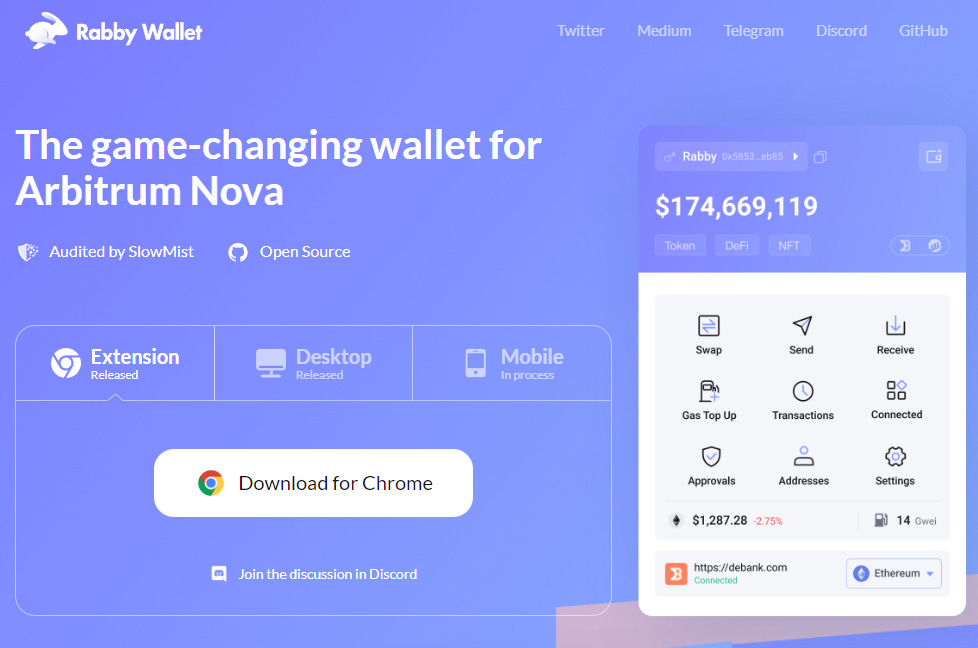
Okay, so check this out— I tried Rabby during a week of heavy DeFi use and connector testing. It felt different when approving transactions; the wallet was explicit about token allowance and contract calls. Initially I thought it was just another competitor to MetaMask, but then realized Rabby’s focus on transaction clarity, approval management, and sandboxing made it much easier to spot abnormal calls and unwanted infinite approvals, which is a big deal for anyone moving tokens often. I’m biased, but that attention to detail reduced my stress during swaps and farming.
My instinct said this would be marginal. But after a few accidental approvals elsewhere, Rabby’s prompts felt like a seatbelt. It wasn’t perfect though; a few flows were quirky and the first-run onboarding assumed familiarity. On one hand, power users enjoy granular RPC control and multi-chain hotkeys, though actually newer users might need clearer microcopy and a gentler onboarding path to avoid confusion and unsafe workarounds. Still, the trade-offs for security were worth it for me.
Wow! Wallet security is a layered game. Seed phrases, hardware wallets, transaction hygiene, and permission management all play roles. If you only focus on one aspect—say backing up your seed phrase—but ignore approvals and approvals management, you can still lose funds to malicious contracts that trick you into granting limitless allowances to spenders, which is why tools that let you revoke or limit allowances are essential. Practical steps matter.
I’ll be honest— Initially I thought hardware wallets would be the only right answer for safety. But for daily DeFi interactions that’s not realistic for most people. After evaluating workflows, I realized a hybrid approach—keeping bulk funds offline and using a well-designed browser extension for day-to-day interactions, with spending caps and one-time approvals where possible—hits a pragmatic sweet spot between safety and convenience. That hybrid model feels usable.
Tip time. Limit allowances to specific amounts and revoke when done. Use separate accounts for different activities (trading, NFTs, yield farming). Keep an eye on RPC endpoints and prefer reputable providers or short-lived sessions, because compromised RPCs can misrepresent transaction data and trick users into signing harmful payloads that look normal on a compromised UI. Update your extension and your browser.
Seriously, watch out. Phishing via fake dapps and cloned sites is still the biggest vector. Extensions can’t stop everything; user attention is key. On top of technical mitigations, cultivate habits: inspect transaction details, pause and double-check unexpected pop-ups, and when in doubt, replicate the action in a hardware wallet or a fresh account to confirm behavior before committing large sums. These habits save money.
Getting started and where I grabbed the build
Ready? If you want to try the flow I used, you can get the extension and follow onboarding steps. I grabbed the build from rabby wallet download and set it up on Chrome and Brave for testing. Set aside a small test fund, configure account segregation, and practice revoking allowances on low-value transactions before moving real capital, because trial-and-error on small amounts reduces catastrophic mistakes. Works for me.
Not perfect. No extension is bulletproof. Bugs happen and attack techniques evolve. Developers need continuous auditing, community security bounties, and transparent release notes so users can trust changes, while users need to avoid blind upgrades and check changelogs for critical permission shifts before accepting updates. Also, sometimes UI copy is ambiguous and that bugs me.
Oh, and by the way… I once approved an allowance without reading the fine print and lost some tokens. Yeah, painful lesson. That experience drove me to adopt strict rituals: always preview transactions, compare hash and nonce where necessary, and use helper tools that list token approvals across addresses so you can batch-revoke risky allowances instead of chasing them one by one. Somethin’ like this should be standard.
Look— DeFi is maturing but it’s messy. New primitives arrive weekly and wallets scramble to keep pace. Regulation and security standards will eventually push better defaults, but until then conscious users who prioritize wallets with clear transaction semantics and permission management will avoid many common pitfalls that afflict casual users. I’m not 100% sure how fast that’ll move, but I’m optimistic.
Honestly. I started curious and a little wary. Now I’m cautiously optimistic about browser wallets like Rabby for day-to-day DeFi. They won’t replace hardware keys for vault-style savings, though they can make interacting with DeFi safer by default if designers continue to insist on explicit approvals, clear transaction previews, granular allowance controls, and well-crafted onboarding that prevents small mistakes from becoming big losses. That shift in default behavior is what matters most.
So— If you’re active in DeFi try a small experiment. Use an extension with strong approval controls, keep big funds offline, and practice revoking allowances. Over time these practices become second nature, reducing stress and cutting losses that otherwise come from rushed approvals or clever phishing dapps that mimic real services with uncanny precision. I’m biased, yes, but these habits helped me sleep better.
FAQ — quick answers
Is a browser wallet safe enough for daily DeFi?
Yes for small to medium daily activity if you use one with granular approvals and pair it with good habits, but keep bulk funds in cold storage. Hmm… attention and good hygiene still matter a lot.
Can I revoke approvals easily?
Most modern wallets and third-party tools let you view and revoke allowances; do that regularly and set limits rather than infinite approvals so you minimize blast radius if something goes wrong.